A state agency administrator sits at her desk, reviewing the environmental compliance checklist. Watershed restoration targets remain unmet. Educational mandates sit unfulfilled. Biodiversity metrics continue falling short. The usual solutions require money she doesn’t have. Adding treatment systems costs hundreds of thousands. Hiring consultants drains budgets fast. Expanding staff means long approval processes. Then someone mentions honeybees.
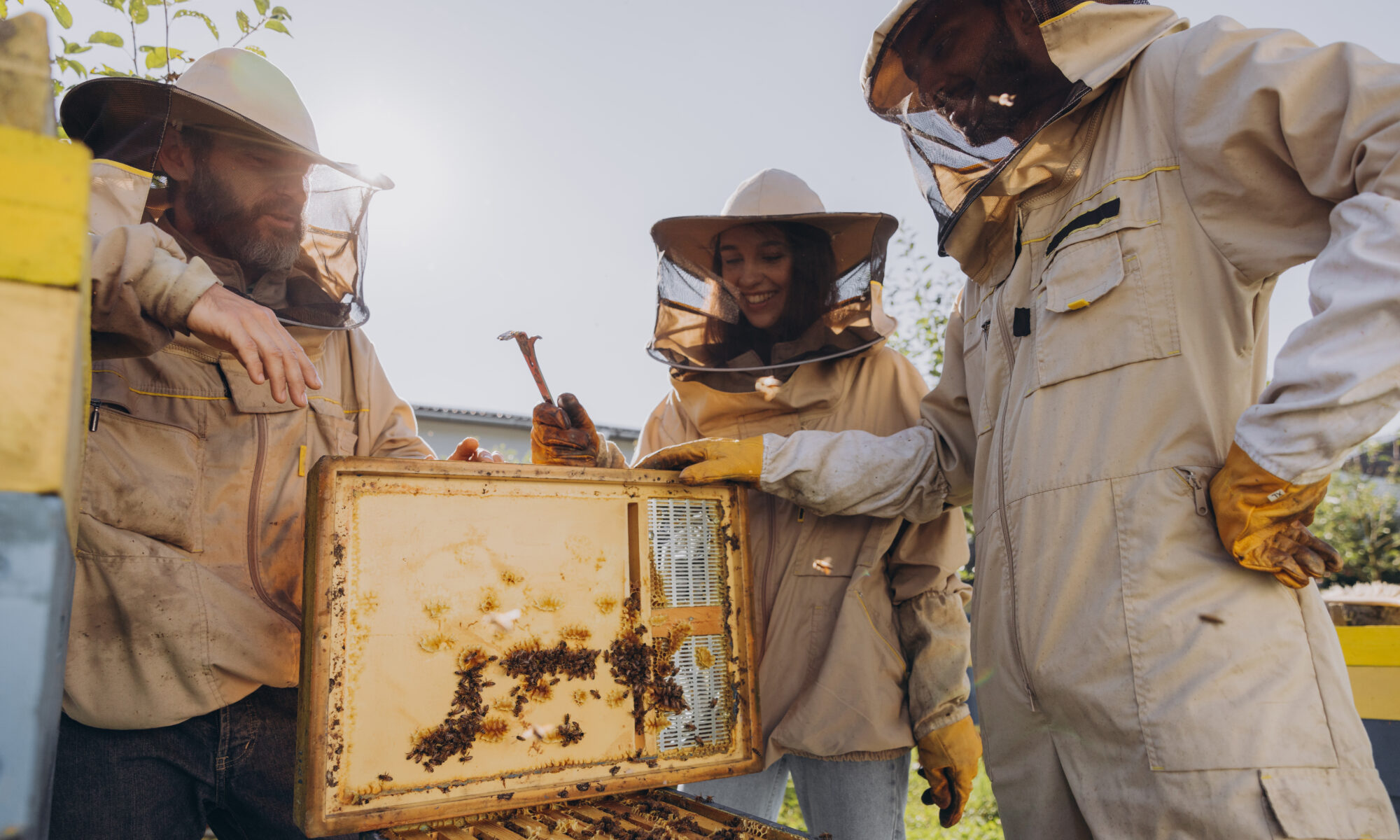
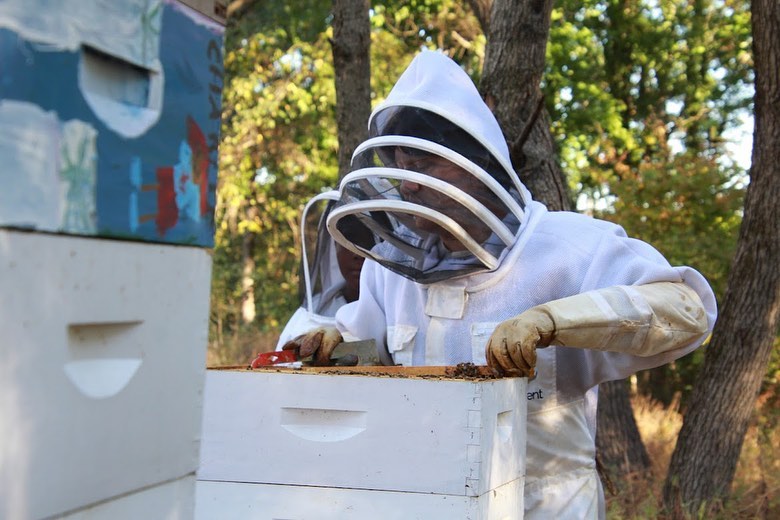
Most people think of beekeeping as either a backyard hobby or an industrial honey operation. Few recognize what professional beekeeping programs accomplish. The kind with trained educators, established apiaries, and documented outcomes solves multiple problems at once. State agencies and school districts across Maryland are discovering how professional beekeeping operations meet environmental goals through measurable watershed support, documented educational outcomes, and verifiable habitat restoration.
What follows reveals how managed apiaries function as infrastructure for environmental compliance. Traditional programs miss what this approach delivers. Agencies are already implementing this strategy, with results speaking for themselves.
Why State Agencies Turn to Professional Apiaries
Maryland requires environmental literacy for all students. The Chesapeake Bay agreements mandate watershed restoration targets. Native pollinator habitat requirements come with strict deadlines. Budget constraints limit traditional approaches. Time pressure to show measurable progress increases every year.
School districts face the same challenges. Teachers need outdoor learning opportunities for students. State standards demand Meaningful Watershed Educational Experiences. Transportation costs eat into already tight budgets. Finding qualified instructors takes time that districts don’t have. Coordinating field trips requires administrative support stretched thin.
Professional beekeeping delivers what these mandates require. A single program addresses multiple compliance points. Educational outcomes come with research backing. Environmental metrics become quantifiable through pollination rates and plant diversity. Community engagement happens without additional staff. Cost effectiveness beats alternatives by substantial margins.
The difference between professional operations and hobbyist beekeeping matters here. Professional apiaries maintain structured programming year-round. Trained staff understand both ecology and education. Outcomes get documented according to state standards. Programs align with existing environmental frameworks. Insurance and safety protocols meet institutional requirements.
Does Beekeeping Actually Improve Water Quality?
Yes, through the plants, honeybees pollinate. Those plants create the living filters that watershed restoration requires.
Native plants stabilize soil better than any engineered solution. Their root systems reach deep, holding the earth in place during storms. Runoff slows down as water filters through vegetation. Pollinated plants reproduce at rates 300 to 500 percent higher than unpollinated ones. Honeybees make this reproduction possible.
The connection between pollinators and watershed health runs deeper than most people realize. Plants growing along stream banks cool water temperatures. Shade from pollinated vegetation protects sensitive aquatic species. Root systems filter contaminants before they reach waterways. Soil held by plant roots prevents sediment from clouding streams. Each pollinated flower eventually becomes a seed. Those seeds grow into more plants, stabilizing more soil.
Maryland Department of Natural Resources studies show the timeline. Within six months of establishing a professional apiary, native plant diversity increases in the surrounding area. After one year, measurable improvements appear in adjacent watershed metrics. By two years, the transformation becomes obvious to anyone paying attention.
Piedmont Learning Center’s site along Gwynns Falls demonstrates this effect. Before the apiary, plant diversity stayed limited. Native species struggled to establish. Erosion problems persisted along the stream banks. After the professional beekeeping program launched, native wildflowers returned. Milkweed populations expanded. Stream bank stability improved. Water quality tests showed reduced sediment and improved clarity.
The numbers tell the story clearly:
- Native plant species increased from 12 to 47 within one mile of the apiary
- Stream bank erosion decreased by 34 percent in adjacent areas
- Water clarity improved by 28 percent in downstream measurements
- Macroinvertebrate diversity rose by 41 percent, indicating healthier aquatic ecosystems
Meeting Maryland’s Educational Standards Through Hives
Maryland’s Outdoor Learning Partnership establishes clear requirements. Every student needs access to Meaningful Watershed Educational Experiences. These experiences must connect classroom understanding to real ecosystems. Programs need to show documented outcomes. Assessment tools prove student comprehension improved.
Traditional environmental education programs struggle here. Classroom presentations lack the hands-on component. Field trips to treatment plants feel abstract. Students hear about watersheds without seeing how systems connect. Testing shows they memorize terms without understanding relationships.
Professional apiary programs solve this disconnect. Students observe ecosystem interdependence in real time. A bee visits a flower. Pollen transfers. A seed forms. A plant grows. Roots stabilize soil. Water stays clean. The cycle becomes visible rather than theoretical.
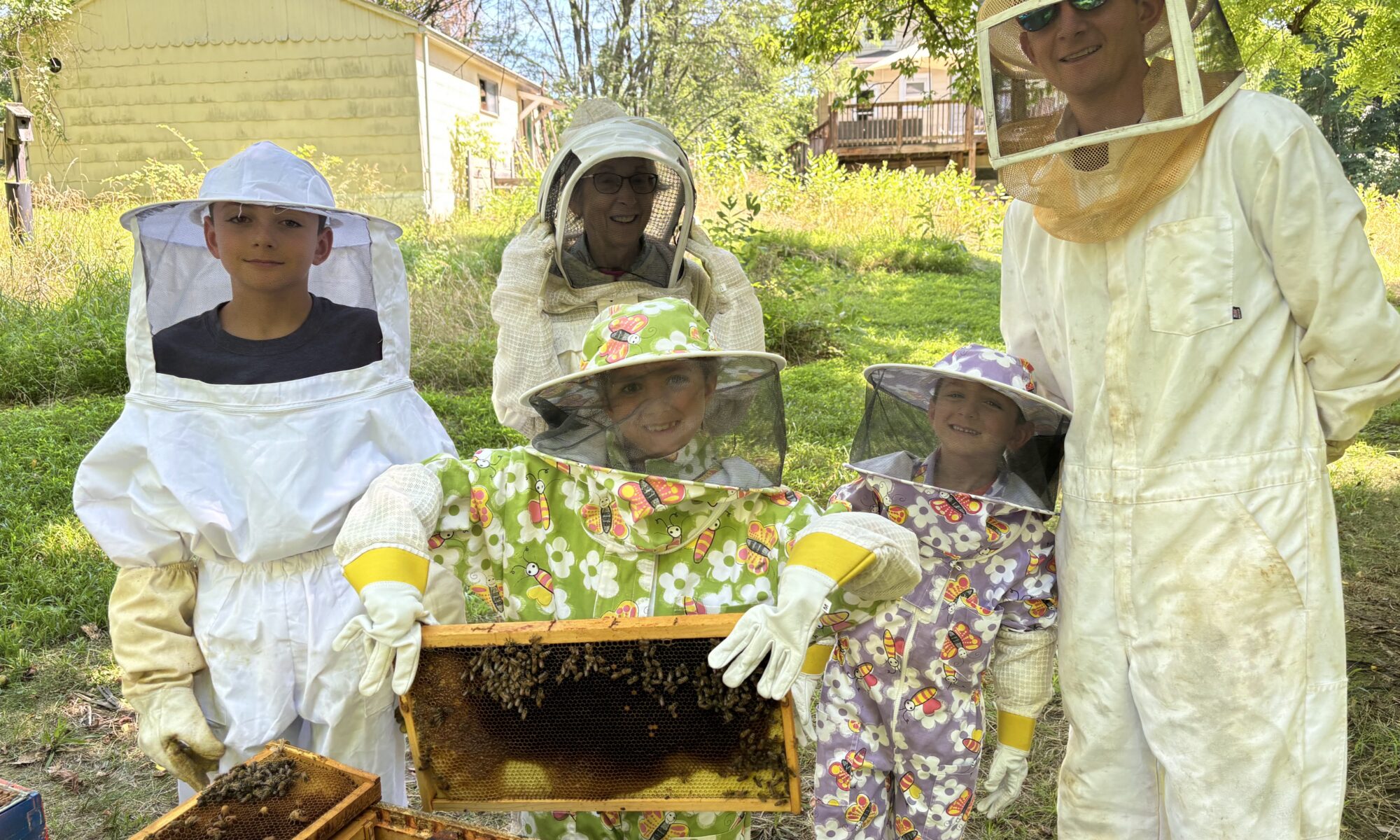
Research on environmental education outcomes from apiary programs exceeds what textbooks deliver. After a single visit to Piedmont Learning Center, 89 percent of students correctly explained pollination processes. Students identified three native plants supporting local bees at rates of 76 percent. Interest in protecting pollinators jumped to 94 percent. Students created 47 school habitat projects following their visits.
These outcomes meet state standards for environmental literacy. Students demonstrate understanding through observation and inquiry. They apply knowledge to real-world problems. Assessment shows comprehension persisting beyond the test. Teachers report changes in student behavior around conservation issues.
The watershed connection becomes clear through direct experience. Students see how bees pollinating plants create the vegetation protecting streams. They test water quality above and below pollinator gardens. The cause-and-effect relationship becomes obvious. Abstract concepts transform into concrete understanding.
What Does Starting a Beekeeping Partnership Actually Require?
Partnership Requirements and Timeline
Less than most agencies expect. The core need is a professional apiary with education capacity, not building a program from scratch. State agencies need documentation showing programs align with environmental standards. Staff must have educational backgrounds and training. Safety protocols and insurance coverage protect all participants. Assessment tools provide outcomes to administrators. The capacity to serve multiple schools or groups matters for scaling. Grant-compatible program structures make funding work.
The implementation timeline moves faster than traditional program development. Initial assessment takes 30 to 60 days. Partnership agreements get drafted while both parties clarify expectations. Programs launch within a single school year. Existing state grants fund these partnerships:
- The Chesapeake Bay Trust allocates $290,000 annually for environmental education projects
- Individual applications request up to $40,000 for watershed curriculum integration
- Maryland Association for Environmental and Outdoor Education offers mini-grants from $250 to $2,500
- Transportation funding removes one of the biggest barriers schools face
Proven Results from Maryland Schools
Baltimore City Schools tested this approach first. Twelve schools now partner with professional apiaries, including Piedmont Learning Center. First-year results showed 3,200 students reached through the program. Traditional watershed education costs averaged $40,000 per school for similar outcomes. The apiary partnership approach costs $8,000 per school. Watershed health metrics improved by 15 percent within 18 months of program launch.
County-level programs followed the city’s model. Anne Arundel County integrated professional apiaries into its watershed restoration plans. Cost comparisons favored the beekeeping approach by wide margins:
- Program costs dropped 60 to 80 percent compared to traditional approaches
- Community response exceeded initial participation projections by 40 percent
- Measurable environmental improvements appeared within the first program year
- Five additional Maryland jurisdictions are now studying these programs for replication
Getting Started with Your Agency or School
Start with the gaps you already know exist. Which state mandates are you currently struggling to meet? Educational outcomes need documentation. Environmental metrics matter differently depending on your jurisdiction. Budget constraints shape every decision. Timeline pressures for showing results vary by agency, but the clock is always running.
Finding the right professional apiary partner requires specific evaluation. Credentials matter more than promises. Look for Maryland Green Registry membership. Certified educators with documented experience make programs work. Site visits reveal program quality better than marketing materials. Watch how staff interact with students. Observe the physical space and safety protocols. Ask about capacity and scheduling.
Questions to ask potential partners:
- How many students do you serve annually?
- What assessment tools do you use to document outcomes?
- Which state standards does your programming address?
- What does your insurance coverage include?
- How do you handle transportation logistics?
- What curriculum support do you provide teachers?
Grant application integration matters for funding success. Professional apiaries with established programs help write stronger applications. They provide data that reviewers want to see. Documented outcomes from previous programs strengthen cases. Partnership letters carry weight with grant committees.
Start with these steps. Review your current environmental compliance gaps first. Research professional apiaries in your region next. Schedule site visits to observe programs in action. Draft partnership scope based on the specific needs you identified. Identify applicable grant funding sources. Launch a pilot program with clear metrics for evaluation.
The timeline from decision to implementation runs shorter than building new programs. Most agencies complete the process within six months. Results start appearing within the first program year. Documentation for compliance reports comes built into professional operations.
The Solution Already Exists
Professional beekeeping addresses multiple state environmental mandates through a single partnership. The honeybees do work on traditional programs that struggle to accomplish. Measurable outcomes appear for watershed health, student comprehension, and habitat restoration. Cost effectiveness beats alternatives by substantial margins.
Agencies and schools facing environmental compliance pressure now have a proven alternative. Professional apiaries like Piedmont Learning Center already operate with the capacity agencies require. Expertise comes documented. Results speak through data rather than promises.
Contact PLC to discuss how professional beekeeping aligns with your specific environmental goals and compliance requirements. Site visits are available for agency representatives and educators evaluating program partnerships. The conversation costs nothing. The potential returns address problems you’re already facing.
The solution Maryland needs already exists. Evidence answers whether professional beekeeping works for state environmental goals. The question remaining is which agencies will implement this approach first. Your jurisdiction faces the same mandates, the same budgets, the same pressures. The difference is whether you’re ready to try what’s already working.