
Your child sits at a desk, filling in blanks about photosynthesis. They memorize terms like “carbon dioxide” and “chlorophyll” for Friday’s quiz. But ask them what a real leaf feels like in their hands, or how a bee actually moves pollen from flower to flower, and they go quiet. They know the vocabulary but have never touched the reality.
Maryland recognized this disconnect and took action. In April 2024, Governor Wes Moore signed an executive order establishing the Maryland Outdoor Learning Partnership, a coordinated effort between state agencies, schools, and nonprofits. The partnership absorbed the earlier Project Green Classrooms program and invited more than two dozen organizations to participate, including the Chesapeake Bay Foundation, National Aquarium, and Maryland Association for Environmental and Outdoor Education. The goal is simple. Move environmental education outside the classroom walls and give every Maryland student structured, hands-on experiences with the ecosystems they are meant to protect.
For families and educators seeking meaningful ways to connect young learners with the outdoors, understanding how state initiatives create pathways through nature programs matters now more than ever. This article explains what Maryland is building, why research validates the outdoor learning approach, and how accessible programs already exist in your community.
Why Outdoor Programs Matter Now
Children today face pressures their parents never experienced at the same age. The numbers tell a concerning story, but they also point toward solutions.
Rising Youth Stress
The mental health situation for young people has shifted dramatically. Recent data from the CDC’s Youth Risk Behavior Survey shows that 40% of high school students reported feeling persistently sad or hopeless in 2023. While this represents a slight improvement from the 42% reported in 2021, the percentage has grown significantly over the past decade, up from 30% in 2013.
Screen time amplifies this crisis. According to National Center for Health Statistics data collected from July 2021 through December 2023, over half of teenagers ages 12 through 17 spend four or more hours daily in front of screens outside of schoolwork. The mental health correlations are stark:
- 27.1% of high screen time users reported symptoms of anxiety
- 25.9% reported symptoms of depression
- Students from lower-income households average over 9 hours daily on screens
The content matters, but so does what screen time displaces. Physical activity drops. Sleep suffers. Face-to-face social interaction decreases as children spend more time indoors, whether for remote learning, screen entertainment, or structured activities, they lose opportunities for the kind of unstructured outdoor play that previous generations took for granted.
Maryland’s Department of Natural Resources Secretary Josh Kurtz addressed this reality directly when announcing the Outdoor Learning Partnership. “Students can learn about the environment in a classroom, but taking them outside to experience those concepts in a forest, on the Chesapeake Bay, or in their own backyards brings those lessons to life. These outdoor experiences also help improve students’ overall well-being.”
Gains From Nature Time
Outdoor learning delivers measurable benefits that address both academic and emotional needs simultaneously. The evidence base is substantial and growing.
What Research Shows
A thorough Stanford University review examined 119 peer-reviewed studies published over 20 years, measuring environmental education impacts on K through 12 students. The North American Association for Environmental Education published these findings, which showed consistent improvements across multiple outcome areas:
- Academic performance improved across subject areas
- Critical thinking skills showed measurable enhancement
- Personal growth qualities, including confidence, autonomy, and leadership, developed more fully
- More than 80% of programs successfully inspired students to engage in environmentally friendly behaviors
- Where researchers measured longer-term outcomes, the impacts lasted years
The benefits extend beyond traditional academics. A North Carolina study published in Frontiers in Education found that outdoor environmental education improved teacher reports of attention, behavior, and learning outcomes for students with emotional, cognitive, and behavioral disabilities. Teachers using outdoor science instruction reported feeling more confident in their abilities. Instructors noted using significantly more innovative teaching practices, including more interdisciplinary, inquiry-based, hands-on approaches.
Real Teacher Experiences
One teacher explained the shift this way. “I think I’m a better teacher because of environmental education. It has kind of completed the whole package. The framework unified all my best approaches, and it made my instruction much easier.”
For Maryland specifically, where many students attend schools near waterways and natural areas, outdoor learning connects directly to the state’s environmental priorities. The Chesapeake Bay Foundation has provided meaningful watershed experiences to over 1.5 million students over 50 years. Their research shows outdoor learning helps students improve resilience, problem-solving, critical thinking, leadership, and teamwork. It also leads to higher test scores and stronger engagement in school.
What Maryland Leaders Expect
The Maryland Outdoor Learning Partnership represents more than good intentions. It establishes infrastructure and funding to support sustained outdoor education across the state.
Statewide Goals
The partnership brings together the Maryland Department of Natural Resources, Maryland State Department of Education, federal partners, and nonprofit environmental and outdoor education organizations. Governor Wes Moore’s executive order, signed on Earth Day 2024, outlined clear expectations:
- Maryland’s youth should spend time outdoors engaging with nature
- Local education agencies should lessen the environmental impact of their school buildings and grounds on local watersheds
- Maryland’s teachers need funds, training, and support to implement a curriculum aligned with Environmental Literacy Standards
The partnership’s core mission is to develop Maryland students as environmental caretakers. This happens through structured, outdoor educational opportunities where students learn how to access, conserve, and restore the state’s natural resources. The partnership will also recommend practical ways for school systems to reduce their environmental footprint, such as reforesting unused land or developing renewable energy sources.
Real funding backs these goals. The Chesapeake Bay Trust made $290,000 available for environmental education grants in Fiscal Year 2026. Individual applications can request up to $40,000 for projects that embed Meaningful Watershed Educational Experiences into school district curricula. The Maryland Association for Environmental and Outdoor Education offers mini-grants ranging from $250 to $2,500 for student action projects, transportation to field experiences, and teacher professional development.
These are not one-time allocations. The partnership commits to annual reporting to the Governor, ensuring accountability and sustained investment.
New Support Systems
Schools can now integrate outdoor learning with clear state backing. The shift is significant for teachers who previously struggled to justify field trips or outdoor activities. Educators now operate within a framework that explicitly values these experiences.
The infrastructure being built includes several key components. Grant pathways reduce financial barriers that once prevented schools from accessing outdoor programs. Professional development opportunities help educators build confidence in leading environmentally focused lessons, projects, and field experiences. Partnership networks connect schools with established outdoor education providers, streamlining what was once a complex planning process.
The Maryland Green Schools Program, founded in 1999, provides a proven model. Nationally recognized for its impact, the program offers certification for schools enhancing environmental sustainability. As of 2025, approximately 35% of Maryland’s public and independent schools have earned Green School certification. These schools collectively serve around 430,000 PreK through 12th-grade students. The state aims to increase participation to 50% by 2026, nearly doubling the number of students in certified green schools.
Organizations like Piedmont Learning Center fit directly into this expanding vision. Programs like those at PLC provide the ready outdoor classrooms and hands on programming that the partnership seeks to make accessible to all Maryland students, regardless of zip code or family income.
Where PLC Fits In This Moment
Piedmont Learning Center operates in the exact space Maryland’s initiative aims to expand statewide. It serves as both a working model and an accessible resource.
A Ready Outdoor Classroom
Step onto the grounds at PLC, and the difference from traditional learning environments becomes immediately clear. The setting provides multiple ecosystems that students can observe, interact with, and understand:
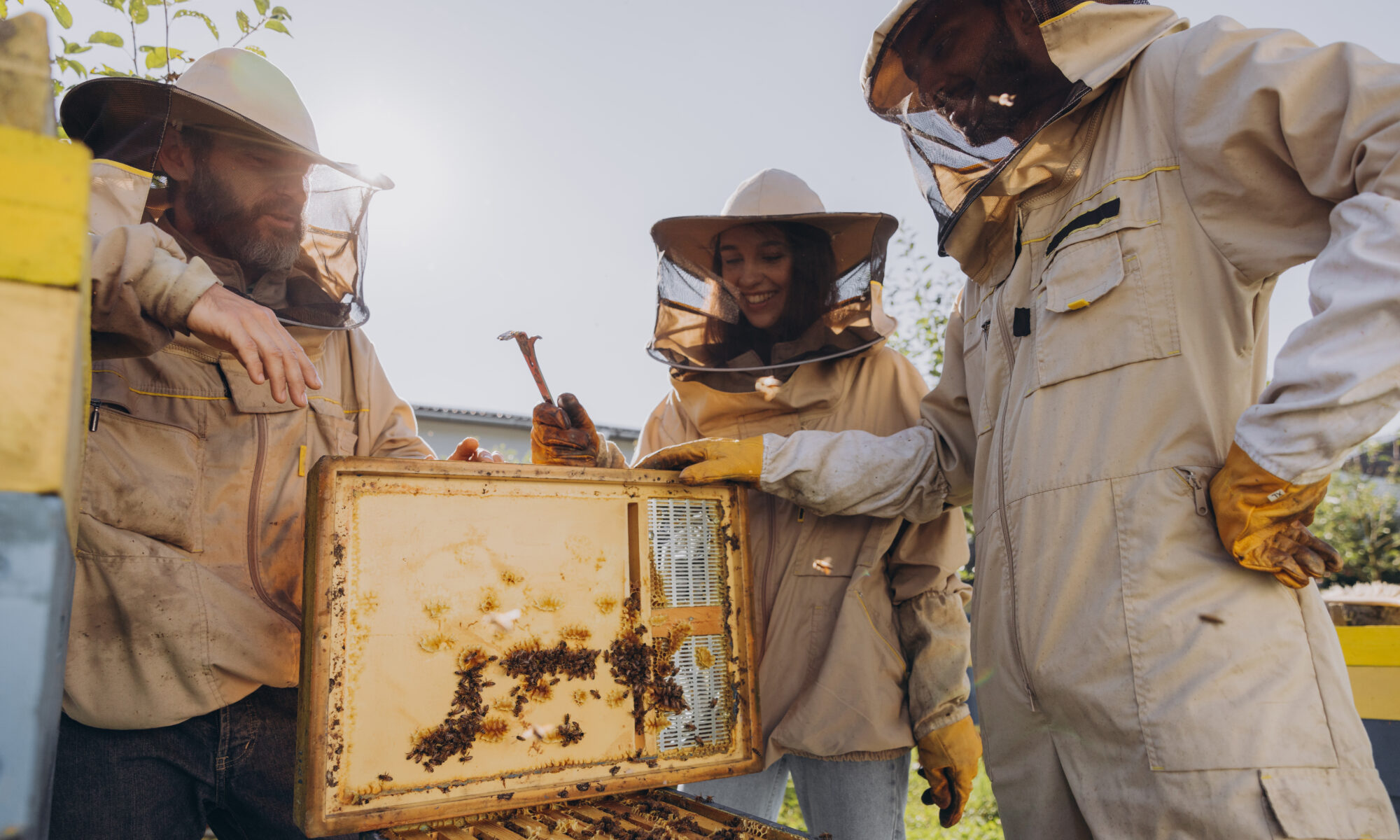
- Honeybee apiary with active colonies demonstrating pollination and ecosystem interdependence
- Native pollinator gardens featuring species that support local ecosystems
- Hiking trails through the Gwynns Falls Watershed offer direct observation of water systems
- Outdoor gathering spaces where groups process what they have seen and experienced
Hands-On Learning Spaces
These are not static exhibits behind glass. Students handle observation tools. Pollinators work flowers in real time as children watch closely. Water quality gets tested in actual streams. Habitat restoration becomes a participatory activity. This approach aligns precisely with what environmental education research identifies as most effective. Direct interactions in the context of study build the kind of situated learning where understanding develops from authentic environment rather than abstraction.
A Recent Visit Example
A fifth-grade teacher from Baltimore City recently brought her class to PLC. Most students had limited prior experience in natural settings. Some had never seen a live honeybee up close. When the group arrived at the apiary, a PLC educator explained how honeybee colonies function through cooperation. Each bee has a role. Each role contributes to the hive’s survival.
The students watched bees return with pollen, observed the waggle dance communication, and began asking questions that no worksheet had prompted. “Why don’t they sting each other?” one student asked. “How do they know which flower to visit?” asked another. The questions kept coming, genuine curiosity replacing the usual classroom dynamic of guessing what answer the teacher wanted.
PLC’s commitment to free educational programs addresses equity concerns central to the Maryland Outdoor Learning Partnership. Environmental education should not be available only to schools with large budgets or families who can afford private nature programs. By removing cost barriers, PLC ensures students from diverse socioeconomic backgrounds can access quality outdoor learning. The center holds proud membership in the Maryland Green Registry, demonstrating ongoing alignment with state environmental standards.
Programs Built For Growth
The mission at PLC focuses on outcomes Maryland now prioritizes statewide. The center aims to help students develop skills and thought processes necessary to become independent, community-serving adults. It brings business leaders and students together, creating mentorship opportunities where young people see how environmental stewardship connects to career pathways. A student interested in biology might meet a beekeeper who turned passion into profession. Another curious about environmental policy might speak with someone working in watershed management.
Real Student Outcomes
During that same Baltimore City fifth grade visit, students walked the watershed trail after their apiary experience. Water samples got collected, plant species noted, and discussions emerged about how actions upstream affect water quality downstream. The teacher guided observation through careful questions. What do you see? Can you identify any patterns? Which questions does this raise for you?
By the visit’s end, several students were already planning action projects for their school:
- One student proposed starting a pollinator garden in an unused corner of the playground
- Another wanted to map storm drains near the school to understand local watershed connections
- A third began sketching ideas for a bee awareness campaign to share what she had learned
These micro moments of transformation are what the research literature captures in broader statistics. A student who connects emotionally with nature develops the internal motivation to protect it. That connection rarely happens through textbook diagrams alone. It requires touch, observation, and genuine questions. Maryland’s partnership seeks to multiply these moments across all 24 jurisdictions. PLC models the kind of programming that turns environmental literacy from an abstract goal into a lived student experience.
How Families And Schools Can Join
The infrastructure exists. The funding supports it. What transforms these resources into impact is participation.
Simple Ways To Start
Teachers wanting to bring students to PLC for outdoor learning can begin by contacting the center directly to discuss visit options. PLC customizes experiences based on grade level, learning objectives, and seasonal opportunities:
- Fall visits might focus on pollinator observation, seed collection, and preparing gardens for winter
- Spring visits could emphasize watershed health, native plant identification, and observing ecosystem awakening
- Winter programming shows how ecosystems adapt to seasonal changes and what happens in the hive during cold months
Schools applying for grants through programs offered by the Chesapeake Bay Trust or Maryland Association for Environmental and Outdoor Education can include PLC visits as part of their proposed curriculum integration. Grant applications strengthen when they demonstrate partnership with established outdoor education providers. Reviewers want to see that schools have thought through logistics, identified learning outcomes, and connected with organizations that can deliver quality experiences.
Transportation often presents a barrier, particularly for schools serving lower-income communities. Some grant programs specifically fund these costs. The MAEOE transportation grant, for example, provides up to $1,000 to support travel to environmentally focused field experiences. Teachers should check these options when planning outdoor learning integration.
Timing matters. Popular seasons fill quickly, especially spring and fall when the weather is most cooperative and ecosystems are most active. Teachers should reach out several months in advance to secure preferred dates. PLC staff can advise on which seasonal programs best align with specific curriculum units and help teachers prepare students for maximum learning benefit.
Community Pathways
Families can visit PLC outside of school programming. Weekend days offer opportunities for children to experience the apiary, gardens, and trails with parents or caregivers. These visits provide a different value than school field trips. The pace is slower. Questions can meander. Family members learn alongside children, creating shared reference points for ongoing environmental discussions at home.
A parent who learns about pollinator decline alongside their child becomes an ally in supporting environmental stewardship. That same parent might help establish a native plant garden at home, creating a living extension of what the child learned at PLC.
Scout troops and youth groups find PLC particularly valuable for badge programs aligned with environmental education. The center welcomes multiple forms of community engagement:
- Volunteer opportunities to maintain and improve the grounds, from trail upkeep to garden tending
- Education partnerships where community members share expertise with students visiting the center
- Donations that support free programming and equipment for student activities
- Event hosting that introduces new groups to outdoor learning possibilities
Those unable to volunteer their time can support through donations. Every contribution helps PLC serve the community with free educational programs, provide equipment for student activities, and enhance the natural environment by growing the honeybee colony and expanding native plantings. The center operates as a 501 (c) (3) nonprofit, making all donations tax-deductible.
Book Your Visit Today!
When students connect with nature through hands-on experience, they develop the knowledge and care necessary to become environmental stewards. Adults who understand how natural systems work, what responsible environmental interaction requires, and how to protect natural resources for future generations emerge from these early connections.
Maryland’s Outdoor Learning Partnership has created the framework. Organizations like Piedmont Learning Center provide the spaces. Funding through grants removes financial barriers. What transforms these resources into impact is participation from families, teachers, and communities ready to step outside.
The benefits multiply from there. Environmental awareness leads to better decision-making about local issues. Young people engaged in outdoor learning often bring their enthusiasm home, influencing family behaviors around conservation and sustainability. Communities where environmental education thrives show greater civic engagement on environmental matters.
At PLC, this transformation happens daily. Students arrive uncertain. Observation becomes the first step. Genuine questions follow naturally. Connections deepen through touch and discovery. Something no classroom alone can provide goes home with each visitor, a felt understanding of their place within natural systems. This is what Maryland’s initiative seeks to nurture statewide, and it is available now through programs already serving communities.
Outdoor learning is not someday. It is today. Reach out to Piedmont Learning Center to plan a visit. Review the Maryland Outdoor Learning Partnership resources to understand funding options. Take students outside. The rest follows naturally.