
A student organizing a school project and delivering a polished presentation looks responsible. But classroom environments, by design, offer safety nets. Deadlines can be extended, grades can be curved, and group members can pick up the slack.
But when commitments carry real consequences—like keeping a hive of bees alive or maintaining a trail during storm season—hesitation isn’t an option.
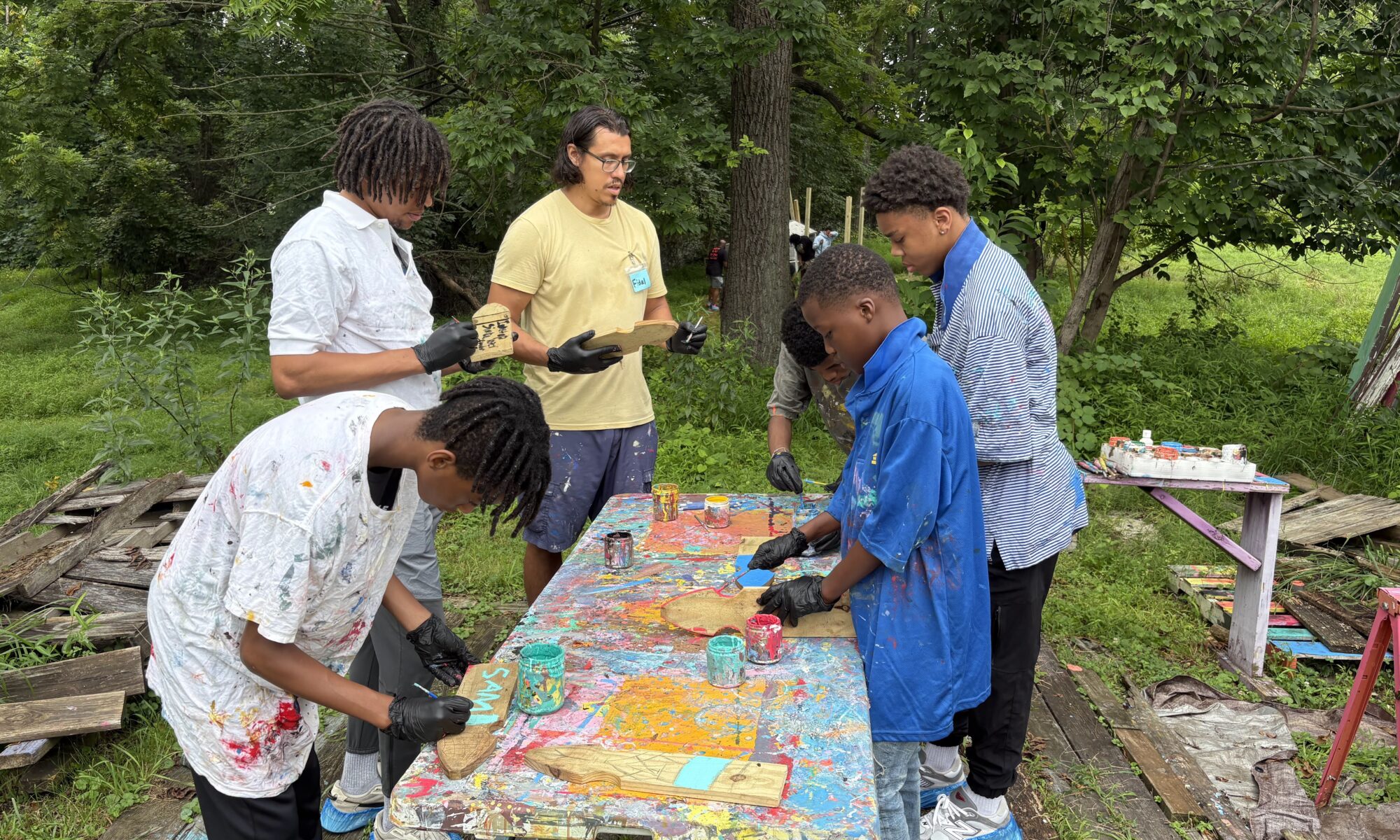
At The Piedmont Learning Center (PLC), we believe students gain the most valuable insights when they step out of the classroom and onto the property. Here, amidst the living systems of the great outdoors, students benefit from hands-on, interesting activities that teach them how to make good decisions and take responsibility for themselves.
Why the Outdoors Teaches What Classrooms Can’t
In a school setting, students often ask, “What does the teacher want?” rather than “What does this situation require?” This distinction shapes how they understand obligation.
Nature works differently. It operates on biological timelines that don’t accommodate forgotten tasks or lack of preparation.
- Consequences are immediate: If you forget your rain gear, you get wet.
- Feedback is direct: If you plant a sapling too shallow, it dries out.
- The stakes are real: Living systems depend on your follow-through.
At PLC, our Guides don’t just lecture; they facilitate experiences where students face these natural realities head-on.
Hands-On Experiences on the Property
We replace theory with dirt, water, and sunlight. Students at PLC aren’t passive observers; they are active stewards of the land. Here is how our activities build decision-making skills and personal responsibility..
1. Beekeeping: Calm Focus and Deliberate Action
Bees respond instantly to human behavior. Rough movements, lack of focus, or rushing through a checklist can trigger a defensive response from the colony. A student learning on our property discovers that their internal state affects the external world. Working with our apiary Guides, students learn to:
- Assess the environment: Checking weather and temperature before opening a hive.
- Self-regulate: moving with deliberate calm to keep the bees safe.
- Plan ahead: ensuring all tools are ready so the hive isn’t open longer than necessary. No worksheet can teach the self-control required to hold a frame of live bees.
2. Watershed Stewardship: Connecting Actions to Systems
Students working in the Gwynns Falls Watershed on our property aren’t just moving rocks; they are protecting a massive ecosystem. They learn that removing invasive vines or reinforcing a trail isn’t “busy work”—it’s essential maintenance for downstream health.
- The Lesson: Students see how a small decision—like properly diverting trail runoff—prevents erosion that would otherwise pollute the stream.
- The Impact: They understand their physical labor contributes to the health of the Chesapeake Bay, affecting millions of people and animals.
3. Resource Management: Decision Making in the Field
On the property, resources are finite. Whether it is managing water supplies during a hike or rationing feed for animals, students must make executive decisions. Guides at PLC help students navigate these choices:
- “We have two hours of daylight left; do we finish the trail clearing or repair the fence?”
- “We forgot the extra rope; how do we adapt our plan to solve the problem with what we have?”
These moments teach resilience. When plans fail in the woods, students cannot simply ask for an extension. They must adapt, problem-solve, and move forward.
How Families Can Extend These Lessons
You don’t need a farm to help your student develop this “outdoor mindset.” Here are ways to bring the PLC philosophy into daily life:
Let Nature Provide Feedback: Before solving a problem for your student, pause. If they struggle to start a campfire or pitch a tent, let them struggle safely. The pride they feel when they finally succeed is rooted in genuine competence.
Assign Projects with Real Audiences: Instead of a chore chart, give your student a responsibility where the family depends on them. For example, planning the route and packing the supplies for a family hike. If they forget the snacks, the natural consequence (being hungry) teaches the lesson better than a lecture.
Encourage “Weather-Proof” Commitment: Encourage outdoor activities regardless of perfect weather. Learning to dress appropriately and maintain a positive attitude in the rain or cold builds grit and adaptability.
Experience is the Best Lesson
The best way to learn responsibility is to experience it. PLC offers a place where students can disconnect from screens and reconnect with the physical world.
Whether it’s through our seasonal weekend programs, watershed projects, or volunteer days, students who spend time on our property leave with more than just muddy boots. They leave with the confidence that comes from making hard decisions, doing real work, and understanding their place in the living systems of the great outdoors.
Contact The Piedmont Learning Center today to discuss upcoming program schedules and find the right hands-on experience for your student.